Complete Guide to Home Appliance Maintenance for Long-Term Use
Introduction
Modern home appliances are designed to last for many years, but their lifespan largely depends on proper maintenance. Many common appliance problems are not caused by manufacturing defects, but by lack of routine care and simple preventive steps.
This complete guide explains how to maintain home appliances effectively, reduce unexpected breakdowns, and extend their long-term performance.
Why Appliance Maintenance Matters
Regular maintenance helps:
- Prevent unexpected failures
- Reduce repair costs
- Improve energy efficiency
- Maintain consistent performance
- Extend appliance lifespan
In many cases, simple maintenance routines can prevent issues that would otherwise require professional service.
Basic Maintenance Principles for All Appliances
Regardless of the appliance type, certain maintenance rules apply universally.
1. Keep Appliances Clean
Dust, debris, and residue can affect both performance and safety. External surfaces and internal accessible parts should be cleaned regularly.
2. Avoid Overloading
Overloading appliances places stress on motors, pumps, and control boards, increasing wear over time.
3. Follow Manufacturer Guidelines
Each appliance has specific maintenance recommendations. Ignoring these can lead to avoidable issues.
Washing Machine Maintenance Tips
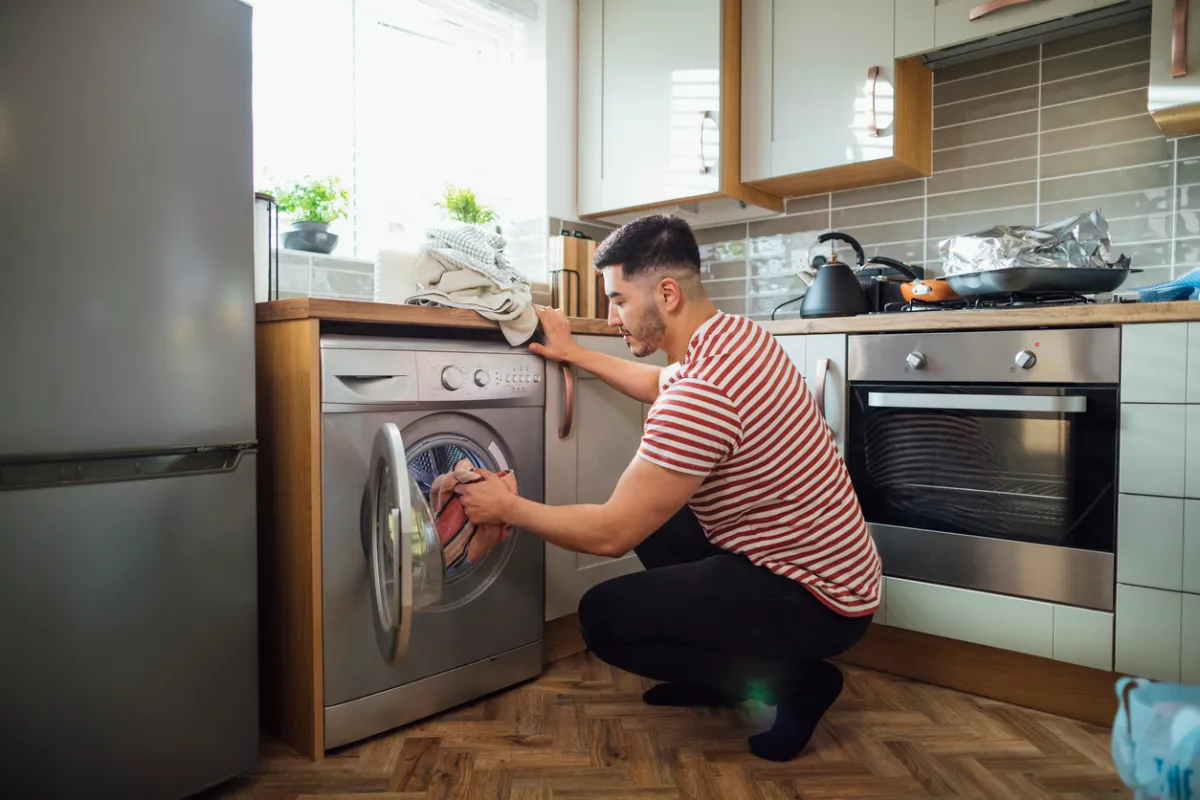
Proper washer maintenance includes:
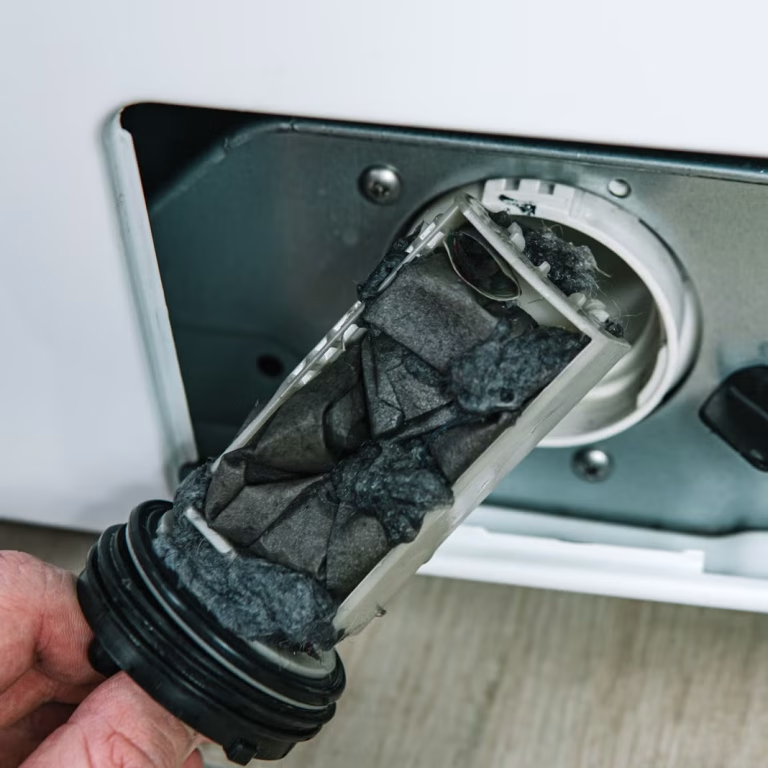
- Cleaning the drain filter every 1–2 months
- Running occasional maintenance cycles
- Leaving the door open after use to prevent odors
- Checking hoses for leaks or wear
These steps help prevent drainage issues and internal damage.
Dishwasher Maintenance Tips
For dishwashers:
- Clean filters regularly
- Inspect spray arms for blockages
- Avoid excessive detergent usage
- Check door seals for debris
In many cases, minor cleaning prevents leak-related errors.
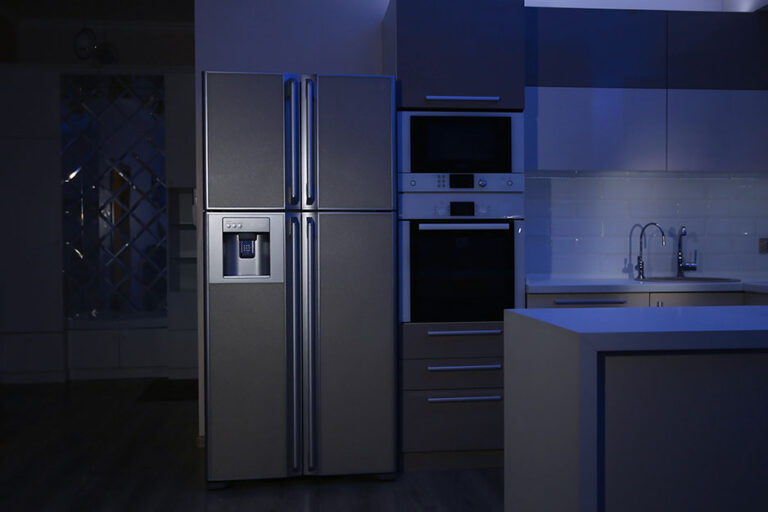
Refrigerator Maintenance Tips
Refrigerators benefit from:
- Cleaning condenser coils
- Checking door seals
- Maintaining proper airflow
- Avoiding overfilling
Efficient cooling depends on consistent airflow and clean components.
Small Appliance Care
Even smaller devices require maintenance:
- Keep ventilation openings clear
- Avoid moisture exposure
- Unplug when not in use for long periods
- Store in dry, clean environments
Neglecting small appliances can still lead to safety risks.
Electrical Safety and Power Protection
Electrical issues are a common cause of appliance failure.
Preventive measures include:
- Using surge protectors
- Avoiding immediate use after power outages
- Ensuring proper grounding
- Disconnecting sensitive devices during storms
Power-related damage is often preventable with basic precautions.
When to Call Professional Support
Professional service is recommended when:
- Electrical components are involved
- There are repeated error codes
- Water leaks persist
- Safety concerns arise
Basic maintenance should never replace professional repair when risks are present.
Creating a Simple Maintenance Schedule
A simple schedule may include:
- Monthly visual inspections
- Quarterly filter checks
- Annual deep cleaning
Consistency matters more than complexity.
Final Thoughts
Proper home appliance maintenance does not require advanced technical knowledge. With basic care, regular cleaning, and attention to early warning signs, users can significantly extend the lifespan of their appliances and avoid unnecessary repairs.