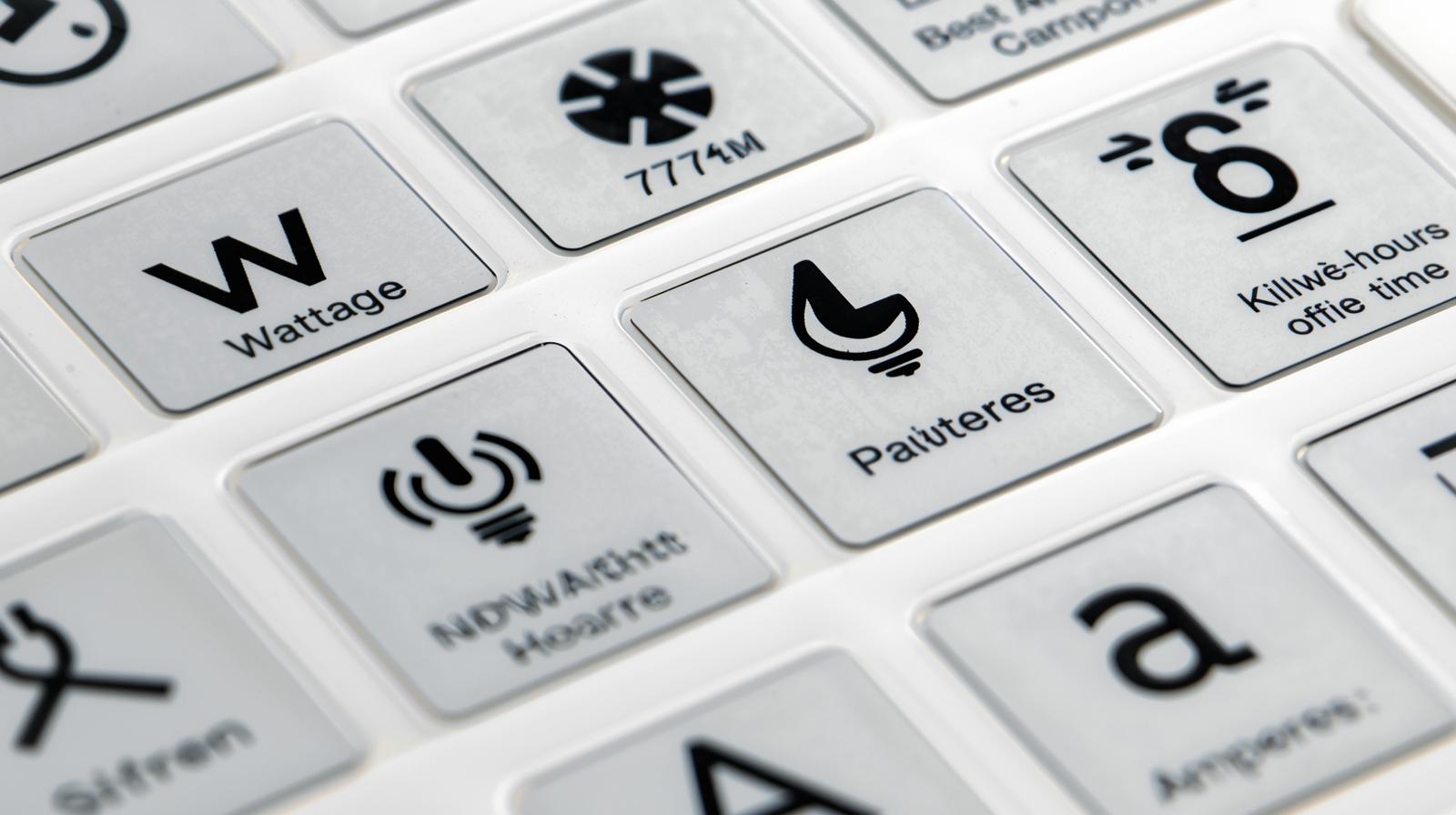
How to Read Appliance Power Labels (W, kWh, A Explained)
Understanding appliance power labels is essential if you want to estimate electricity consumption, compare devices, and avoid unexpected energy costs. However, many users find labels confusing because they include different units such as watts (W), kilowatt-hours (kWh), and amps (A).
This guide explains how to read appliance power labels correctly and how each value affects real-world energy usage.
What Is an Appliance Power Label?
An appliance power label provides technical information about how a device uses electricity. These labels are usually found on the back, side, or bottom of an appliance and may also appear in product manuals.
The purpose of a power label is to show:
- Electrical requirements
- Maximum or average power usage
- Safety and compliance information
Learning how to interpret these numbers allows you to make better decisions about energy efficiency and operating costs.
What Does “W” (Watts) Mean?
Watts (W) represent how much electrical power an appliance uses at a specific moment.
- Higher watts = higher instantaneous power draw
- Lower watts = lower power draw
For example:
- A hair dryer may use 1800 W
- A refrigerator may list 150 W
However, watts alone do not tell you how much electricity you pay for over time.
Understanding kWh (Kilowatt-Hours)
Kilowatt-hours (kWh) measure energy usage over time and are the unit used on electricity bills.
To convert watts to kilowatt-hours:
- Divide watts by 1000 to get kilowatts (kW)
- Multiply by hours of usage
For example:
- 1000 W used for 1 hour = 1 kWh
- 500 W used for 2 hours = 1 kWh
If you want to estimate real energy usage, you can use a power consumption calculator that converts watts into daily, monthly, and yearly kWh values.
What Does “A” (Amps) Indicate?
Amps (A) show how much electrical current an appliance draws.
This value is important for:
- Circuit safety
- Avoiding overloaded outlets
- Choosing the correct extension cords
While amps do not directly indicate energy cost, they help determine whether an appliance is safe to use on a specific electrical circuit.
Why Power Labels Can Be Misleading
Power labels often show maximum rated power, not average usage.
For example:
- A washing machine may list 2000 W
- But it only reaches that level during heating phases
This means actual energy usage is usually lower than the maximum value printed on the label.
How to Estimate Real Electricity Usage
To get a more realistic estimate:
- Use the appliance’s watt rating as a reference
- Consider how many hours it operates daily
- Convert watts to kWh
- Multiply by your electricity rate
For precise estimates, using an online power consumption calculator is faster and more reliable than manual calculations.
Common Mistakes When Reading Power Labels
- Assuming watts equal monthly cost
- Ignoring usage time
- Confusing amps with power consumption
- Comparing appliances without considering efficiency
Understanding these differences prevents overestimating or underestimating electricity usage.
Final Thoughts
Appliance power labels are not just technical stickers; they are practical tools for understanding how devices consume electricity. By knowing the difference between watts, kilowatt-hours, and amps, you can better manage energy usage, compare appliances accurately, and reduce unnecessary electricity costs.
For deeper analysis, combining label information with calculation tools provides the most accurate results.
